When to replace vs repair your boiler
Quick Answer: Repairing your boiler is usually the best option if the issue is minor, affordable and the boiler is under ten years old. Replacement is worth considering if the boiler is older, breaking down frequently, out of warranty or costing more to maintain than it is worth.
A boiler fault is inconvenient at the best of times, and knowing whether to repair or replace is not always straightforward. This guide explains the signs to look out for, how to weigh up the cost, and when a new boiler may offer better long term value for your home.
What we cover in this blog
- Key takeaways
- When repairing your boiler makes sense
- When replacing your boiler is the better option
- Repair vs replacement cost comparison
- FAQs
Key takeaways
- Boilers typically last 12 to 15 years with regular servicing.
- Repairing younger boilers is usually the most cost effective option.
- Replacing older boilers improves reliability and efficiency.
- Frequent faults often signal the end of a boiler’s life cycle.
- A modern boiler can reduce energy use and lower running costs.
When is it better to repair your boiler?
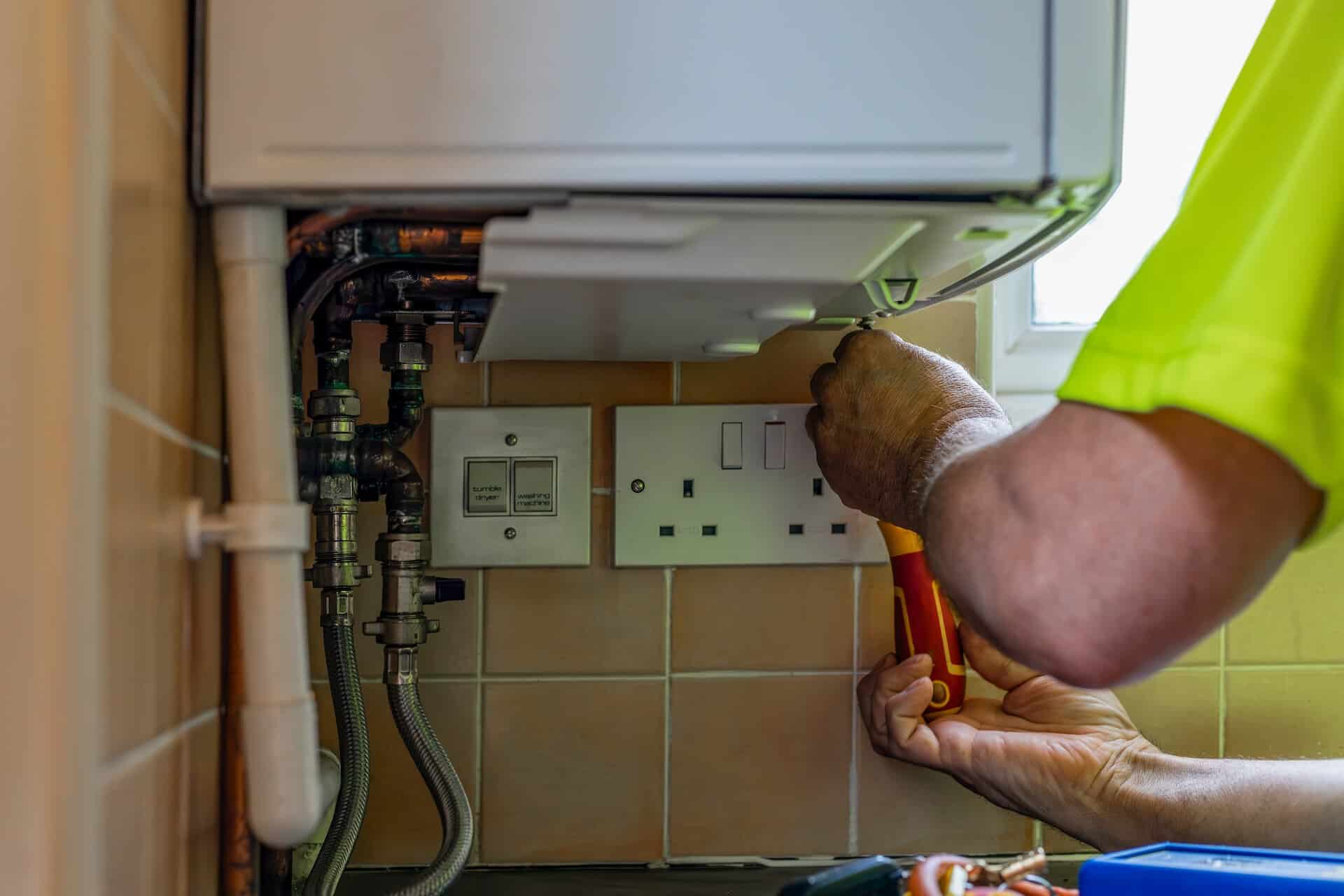
A repair is usually the best option if your boiler is still relatively new, has been well maintained and the fault is limited to a single component rather than the system as a whole. If your boiler has stopped working or developed a minor fault, our engineers can quickly diagnose the problem and recommend the best fix. You can read more about this on our boiler repair page.
Your boiler is under ten years old
Modern boilers generally last around 12 to 15 years. If yours is within its first decade and has been serviced annually, most issues are isolated faults rather than signs of system decline. In these cases, a targeted repair is usually far more cost effective than replacing the full unit.
Regular servicing also plays a key role. A boiler that has been maintained each year is less prone to major faults and more likely to benefit from a simple fix. You can learn more about this on our boiler servicing page.
The fault is minor and inexpensive to fix
Common repairable issues include:
- Pressure loss
- Ignition faults
- Minor leaks
- Worn seals or components
- Thermostat or sensor errors
A Gas Safe registered engineer can often resolve these faults quickly and at a relatively low cost. If you suspect any of these problems, visit our boiler repair page to see how we can help.
Your boiler is still under warranty
If your boiler is within its warranty period, repairs may be fully or partly covered, reducing what you pay. It is always worth checking your documentation or speaking to your installer before deciding on replacement.
When is it better to replace your boiler?
Sometimes replacement simply offers better long term value, especially when reliability and efficiency are already declining.
Your boiler is over 12 to 15 years old
Once a boiler reaches this age range, efficiency drops and breakdowns tend to become more common. Newer A rated boilers can reduce running costs and come with a fresh manufacturer warranty. You can explore your options on our new boiler installation page.
Breakdowns are becoming frequent
If you are calling an engineer more than once a year, or your boiler keeps failing during the colder months, it may be more sensible to invest in a new system rather than continuing to pay for repeat call outs.
Repairs are becoming costly
A useful rule of thumb is this: if a repair costs more than 50 percent of a new boiler installation, replacement is often the wiser financial choice. At that point, you are effectively putting a large sum into an older system with no fresh warranty.
Parts are difficult to obtain
Older models and discontinued boilers often require parts that are no longer widely available. This can lead to delays, higher prices and less reliable repairs.
Your energy bills are increasing
If your boiler is still working but your heating bills have climbed despite similar usage, reduced efficiency may be the cause. Replacing an old boiler with a modern condensing model can cut wasted energy and bring bills down.
Repair vs replacement cost comparison
Every home is different, but the table below gives a general idea of how repair and replacement compare over time.
FAQs
How long should a boiler last?
Most boilers last around 12 to 15 years with regular servicing. Good maintenance helps your boiler reach the upper end of this range.
Can an old boiler still be repaired?
Yes, an older boiler can often be repaired, but the work may not be cost effective. Parts can be harder to source, and there is a higher chance of further faults developing.
Will replacing my boiler save money?
A modern A rated boiler can reduce your energy use and lower the amount you spend on repairs. Over time, this can offset much of the initial installation cost.
How do I know which boiler is right for my home?
Factors such as property size, hot water demand, existing pipework and future plans all play a role. A qualified heating engineer can assess your home and recommend suitable options.
Thinking about replacing your boiler?
We install high efficiency boilers with manufacturer warranties of up to 12 years and provide clear, honest advice on whether repair or replacement is the best option for you.
Find out more about our boiler installation service, book boiler servicing, explore our boiler repair service or request a free quote from the team.