Should you turn your boiler off in summer
When temperatures rise, your central heating may not be used for several months. This often leaves homeowners wondering whether they should turn their boiler off completely to avoid wasting energy.
The right approach depends on your boiler type, how it provides hot water and whether you are leaving the property empty. In most homes, turning off the heating function is more suitable than disconnecting the entire boiler.
In this guide, we explain how to manage your boiler during summer and what you can do to make sure it is ready when the colder East Yorkshire weather returns.
What we cover
- The difference between switching off your heating and switching off your boiler
- Whether a boiler uses energy when the heating is off
- How summer mode works
- When a complete shutdown may be appropriate
- Summer heating maintenance
- What to check before autumn
- Frequently asked questions
Switching off the heating is not the same as switching off the boiler
Your boiler may be responsible for two different jobs:
- Heating the water that circulates through your radiators
- Providing hot water for your taps, showers or hot water cylinder
Turning your central heating off using the programmer or thermostat stops the radiators from heating. It does not necessarily turn off the boiler or stop it from providing hot water.
Combi boilers usually provide hot water directly whenever a hot tap is opened. Completely switching off a combi boiler would therefore leave the property without hot water.
System and regular boilers normally work with a separate hot water cylinder. Depending on how the system is configured, the boiler may still need to operate during summer to heat the water stored in the cylinder.
What is summer mode on a boiler?
Many boilers have a summer mode that disables the central heating while continuing to provide hot water.
The exact controls vary between boiler models. Summer mode may be represented by a tap symbol, a sun symbol or a setting that allows the heating temperature to be turned down independently.
Some systems are controlled through a separate programmer, thermostat or smart heating app. In this case, you may simply need to change the heating schedule rather than adjust the boiler itself.
Always consult the instructions for your particular boiler and heating controls. A boiler can sometimes appear faulty in autumn because it has been left in hot-water-only mode after summer.
Should you completely switch your boiler off?
For most occupied homes, there is little benefit in completely isolating a modern boiler during summer.
Leaving the boiler powered allows it to provide hot water and operate according to its intended controls. Some boiler functions and protective settings may also depend on the electrical supply remaining connected, although these vary between manufacturers and models.
Completely turning off the boiler may be appropriate in certain circumstances, such as during building work or when a property will be unoccupied for a prolonged period. However, you should first check:
- Whether the boiler supplies your hot water
- Whether any automatic protection settings will be disabled
- Whether another appliance relies on the heating system
- What the boiler manufacturer recommends
- Whether the property could experience cold weather while you are away
Avoid altering the gas supply, opening the boiler casing or attempting internal work. Repairs and work involving gas appliances should be completed by a suitably qualified Gas Safe registered engineer.
Does a boiler use energy when the heating is off?
Your boiler will not normally heat the radiators when the programmer and thermostat are correctly set, but it may still use energy for hot water and its electronic controls.
Some combi boilers also have a hot water preheat or comfort setting. This keeps a small amount of water warm so hot water reaches the tap more quickly.
Turning off this setting may reduce unnecessary energy use if instant hot water is not important to you. However, the available settings and potential savings vary between boiler models, so check the manufacturer’s instructions before making changes.
Should you run your heating during summer?
You do not need to heat your home unnecessarily during warm weather. However, it is worth checking your heating system before you need it.
Choose a cooler day towards the end of summer and briefly turn the heating on. Check that:
- The boiler responds to the thermostat
- The radiators begin warming
- There are no unusual noises
- There are no visible leaks
- The boiler does not display a fault code
- The pressure remains within the range recommended by the manufacturer
Testing the system before autumn gives you time to arrange a boiler repair without discovering the problem on the first genuinely cold day.
Summer is a good time to service your boiler
Boiler manufacturers generally recommend arranging a professional service annually. Summer can be a convenient time because heating demand is lower and any developing problems can be dealt with before winter.
During a boiler service, the engineer can inspect the appliance, test its operation and identify signs of wear or deterioration.
Regular servicing may also be required to maintain the manufacturer’s warranty. Yorkshire Heating & Renewables provides boiler servicing for combi, system and heat-only boilers across Hull and East Yorkshire.
Summer boiler and heating checklist
Use the quieter summer months to complete these simple checks.
Check the boiler pressure
Look at the pressure gauge while the heating is cool. Many sealed systems operate at approximately 1 to 1.5 bar when cold, but the correct pressure varies between boilers. Always use the range shown in your boiler manual.
If the pressure continually drops after being restored, arrange an inspection rather than repeatedly topping it up.
Look for signs of a leak
Check around visible radiator valves, pipe connections and the area beneath the boiler.
Small leaks may leave:
- Damp marks
- Rust or corrosion
- Water staining
- Peeling paint
- Clean patches surrounded by dust
- A recurring reduction in boiler pressure
Do not remove the boiler casing to search for a leak.
Check your heating controls
Make sure you know how to use the programmer, thermostat and thermostatic radiator valves.
Summer is also a good time to replace thermostat batteries, review old heating schedules and reconnect any smart controls that have lost their internet connection.
Arrange outstanding repairs
Do not ignore intermittent fault codes, pressure problems, unusual noises or unreliable hot water simply because the radiators are not being used.
Small problems can become more disruptive when the boiler returns to regular use in autumn.
Consider planned heating upgrades
Summer provides more flexibility for work such as:
- Replacing an unreliable boiler
- Upgrading radiators
- Installing thermostatic radiator valves
- Improving heating controls
- Cleaning an inefficient heating system
- Planning underfloor heating
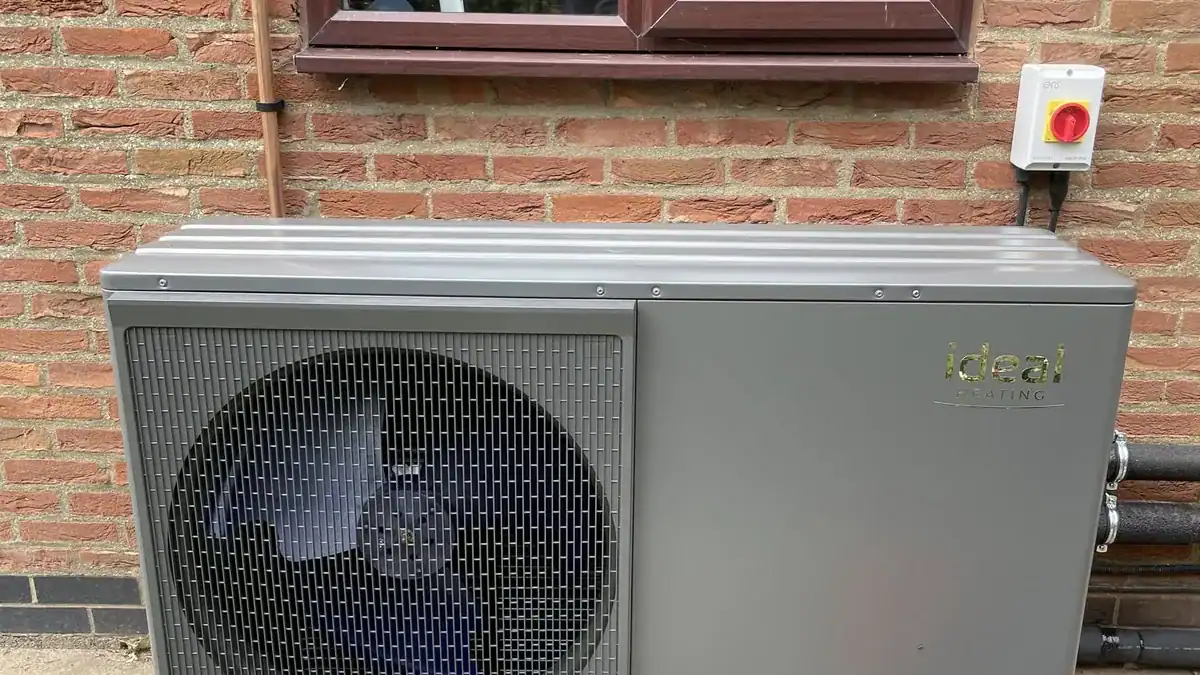
- Exploring an air source heat pump
Completing planned work during warmer weather reduces the risk of being without heating when you need it most. If your current boiler is becoming unreliable, learn more about new boiler installation in East Yorkshire.
What should you do before turning the heating back on?
- Check the boiler pressure against the manufacturer’s instructions.
- Look for leaks around radiators and exposed pipework.
- Check that radiator valves are open where required.
- Make sure the boiler is no longer in summer or hot-water-only mode.
- Review the heating programme and thermostat temperature.
- Turn the heating on and allow the system time to warm.
- Check that each radiator heats evenly.
- Arrange professional help if the boiler loses pressure, displays a fault or fails to start.
Frequently asked questions
Can I turn my combi boiler off during summer?
You can turn off its central heating function, but switching the whole boiler off will normally stop it from supplying hot water. Summer mode or a hot-water-only setting is usually more appropriate.
Should I turn my boiler off when I go on holiday?
This depends on the time of year, length of the holiday, boiler model and whether the property requires hot water or frost protection. Check the manufacturer’s instructions before completely disconnecting the boiler.
Why do I have hot water but no heating?
Check whether the boiler has been left in summer or hot-water-only mode. You should also inspect the programmer and thermostat settings. If the controls appear correct and the heating still does not work, arrange a professional diagnosis.
Is summer a good time to replace a boiler?
Yes. Replacing an unreliable boiler during summer can be less disruptive because you are less dependent on the central heating. It also allows you to compare your options rather than making a rushed decision following a winter breakdown.
How often should my boiler be serviced?
Boilers should generally be serviced annually. Check your warranty documents, as an annual service may be required to keep the manufacturer’s warranty valid.
Keep your heating ready for colder weather
Turning off your radiators during summer is sensible, but completely shutting down your boiler is not always necessary.
Using the correct summer settings, arranging annual servicing and testing the heating before autumn can help you identify problems early and avoid an inconvenient breakdown.
Yorkshire Heating & Renewables provides boiler servicing, boiler repairs and heating upgrades throughout Hull and East Yorkshire. Contact our local team for honest advice or a fixed, no-obligation quotation.