7 signs your boiler is losing efficiency
Boiler efficiency plays a major role in keeping your home warm, comfortable, and affordable to run. Many homeowners only notice a problem once their heating bills rise or the system breaks down completely, but boilers usually show warning signs long before failure occurs. Recognising these early indicators can help you avoid costly repairs, reduce energy waste, and plan upgrades at the right time.
Quick Answer
If your boiler is losing efficiency, you may notice rising energy bills, uneven heating, strange noises, frequent resets, or longer heating times. Older systems in homes across East Yorkshire often lose efficiency gradually due to wear, sludge build-up, or outdated technology. Addressing issues early through servicing or system upgrades can restore performance and reduce long-term costs.
What We Cover
- Rising energy bills without higher usage
- Your home takes longer to heat up
- Uneven heating or cold radiators
- Unusual boiler noises
- Frequent breakdowns or resets
- Yellow flame or soot marks
- Your boiler is over 10 to 15 years old
- Expert installer insight
1. Rising Energy Bills Without Higher Usage
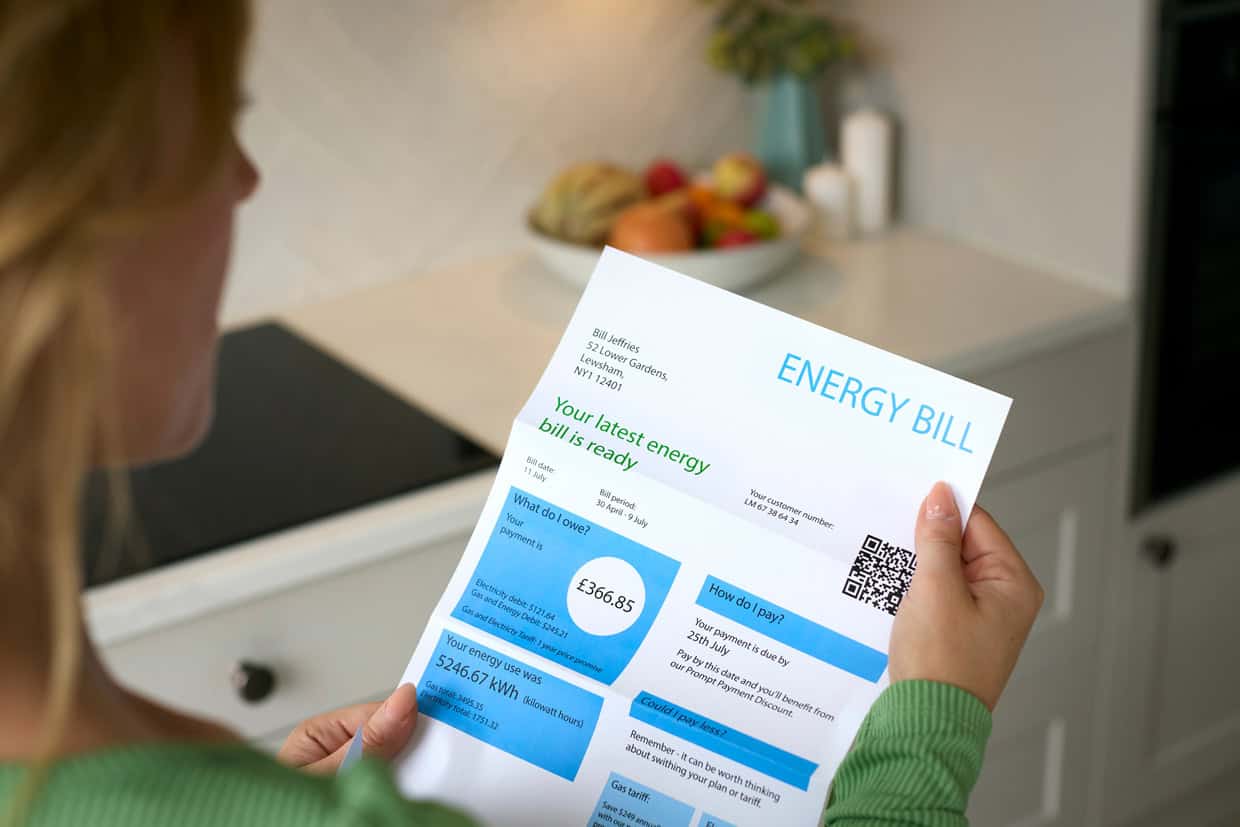
One of the earliest signs of declining boiler efficiency is an unexplained increase in heating costs. If your usage habits have not changed but your energy bills continue climbing, your boiler may be working harder to produce the same level of heat.
Installers frequently see this in older systems where internal components begin wearing out. Heat exchangers can become less effective, and sludge accumulation restricts water flow, forcing the boiler to run longer cycles.
In many properties in Hull and Beverley, this issue appears gradually, meaning homeowners often assume price rises are the only cause when inefficiency is actually a major factor.
2. Your Home Takes Longer to Heat Up
If your heating used to warm the house quickly but now takes noticeably longer, your boiler may be losing performance.
Why this happens
- Reduced heat exchanger efficiency
- System sludge or debris
- Circulation pump wear
- Incorrect system pressure
A properly functioning modern boiler should respond quickly when the thermostat calls for heat. Delays often indicate energy is being wasted before warmth reaches your radiators.
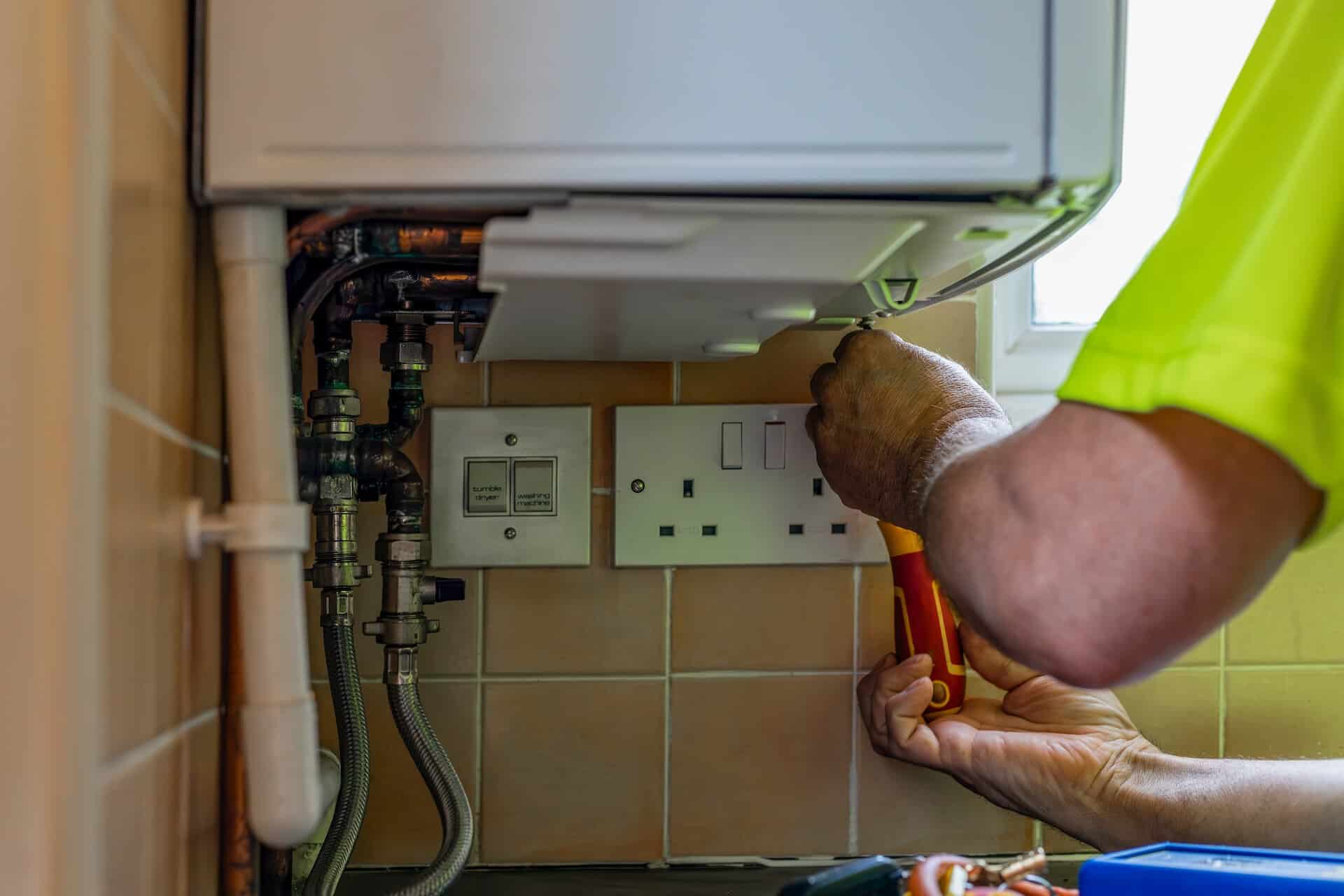
Regular servicing, such as a professional boiler servicing appointment, can often restore performance before larger repairs are needed.
3. Uneven Heating or Cold Radiators
Cold spots in radiators or rooms that never reach temperature are common efficiency warnings. Many homeowners assume the boiler itself is failing, but the issue is often linked to system balance or internal build-up.
Common installer findings
- Magnetite sludge restricting flow
- Air trapped in radiators
- Poor system balancing
- Ageing circulation pumps
Across East Yorkshire homes, especially older properties with extended heating systems, poor water circulation is one of the biggest contributors to reduced boiler efficiency.
Solutions may include flushing the system or upgrading controls alongside a modern energy-efficient boiler installation.
4. Unusual Boiler Noises
A healthy boiler should operate relatively quietly. Banging, kettling, whistling, or vibrating noises often indicate inefficiency.
What installers listen for
- Kettling caused by limescale build-up
- Air trapped within the system
- Overheating components
- Pump or fan wear
Kettling is particularly common in hard water areas and reduces heat transfer efficiency, meaning more gas is required to achieve the same heating output.
5. Frequent Breakdowns or Resets
If you regularly need to reset your boiler or call for repairs, efficiency has usually already declined significantly.
Modern boilers are designed to shut down when operating conditions become inefficient or unsafe. Repeated faults often indicate internal strain caused by ageing parts or poor system conditions.
Homeowners sometimes continue repairing older systems, but repeated callouts can quickly exceed the cost benefits compared with upgrading to a newer system designed for modern efficiency standards.
6. Yellow Flame or Soot Marks
Your boiler flame should burn blue. A yellow or orange flame may signal incomplete combustion, which reduces efficiency and can pose safety concerns.
Signs to watch for include:
- Soot marks around the boiler casing
- Unusual smells
- Increased condensation
If you notice these symptoms, professional inspection is essential. Combustion problems should never be ignored.
7. Your Boiler Is Over 10 to 15 Years Old
Even well-maintained boilers lose efficiency over time due to technological improvements and component wear.
Efficiency comparison
- Older non-condensing boilers: 60 to 70 percent efficient
- Early condensing models: around 80 percent
- Modern A-rated boilers: over 90 percent efficient
For many households across East Yorkshire, upgrading from an older boiler can significantly reduce running costs while improving heating consistency.
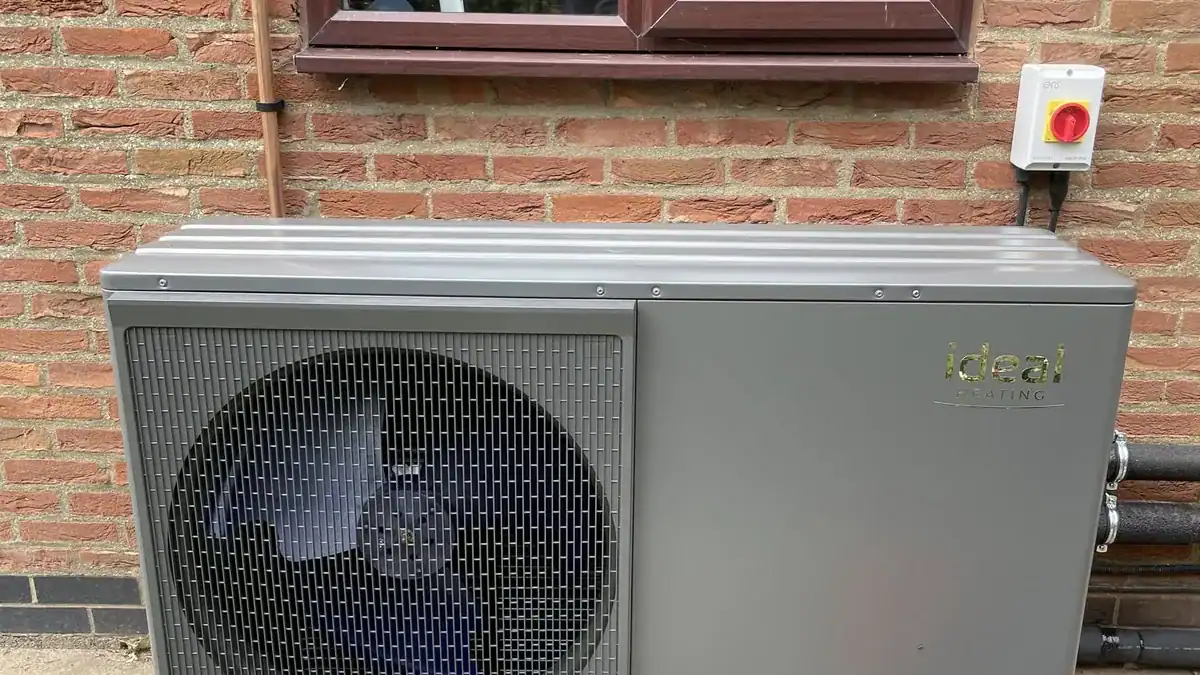
Some homeowners also explore renewable options such as air source heat pumps where property suitability allows.
Expert Insight: Choosing the Right Heating System for Your Home
From an installer’s perspective, efficiency problems are rarely caused by just one issue. The overall heating system design matters just as much as the boiler itself.
We regularly see homeowners replace boilers without addressing underlying factors such as radiator sizing, insulation levels, or control systems. This can limit efficiency gains even with a brand-new appliance.
Key considerations professionals assess
- Property age and insulation standards
- Heat loss calculations
- Hot water demand
- Existing pipework condition
- Future energy plans or renovations
For example, larger family homes in rural East Yorkshire may benefit from system boilers with improved hot water storage, while modern properties may suit renewable systems or hybrid setups.
The right solution is not always the newest technology. It is the system that matches how your home actually uses heat.
When Should You Take Action?
If you recognise two or more of these warning signs, it is worth arranging a professional assessment. Acting early allows smaller issues to be corrected before efficiency drops further or breakdowns occur during colder months.
Many homeowners wait until complete failure, but proactive upgrades or servicing usually provide better value and less disruption.
Conclusion: Improving Boiler Efficiency Before Problems Escalate
Declining boiler efficiency rarely happens overnight. Rising bills, uneven heating, unusual noises, and ageing systems are all early signals your heating system needs attention. Addressing these signs early can lower energy costs, improve comfort, and prevent unexpected breakdowns.
If you are unsure whether your boiler is operating efficiently, the team at Yorkshire Heating & Renewables can provide honest, practical advice tailored to homes across East Yorkshire, including Hull, Hedon, and surrounding areas.
Whether you need servicing, repairs, or guidance on upgrading your heating system, getting expert advice now can help you make the right long-term decision for your home.
Frequently Asked Questions
How do I know if my boiler is inefficient?
Common signs include higher energy bills, slow heating, uneven radiator temperatures, and frequent faults. A professional service can confirm efficiency levels.
Can a boiler service improve efficiency?
Yes. Servicing removes debris, checks combustion performance, and ensures components operate correctly, often restoring lost efficiency.
Is it cheaper to repair or replace a boiler?
If repairs become frequent or the boiler is over 10 to 15 years old, replacement is often more cost-effective long term.
Do modern boilers really save money?
Modern A-rated boilers use significantly less energy than older systems, which can reduce heating costs depending on usage and property insulation.
How often should a boiler be serviced?
Most manufacturers recommend annual servicing to maintain safety, efficiency, and warranty protection.