How much does a new boiler cost in East Yorkshire? (2026 guide)
Quick Answer: A new boiler installation in East Yorkshire typically costs between £2,500 and £4,500, depending on the boiler type, property size and installation complexity. While cheaper quotes exist, choosing a properly sized, professionally installed boiler with a strong manufacturer warranty usually delivers better long-term value.
Replacing your boiler is a big decision. Whether your current system is becoming unreliable or you’re planning ahead to improve efficiency, one of the first questions most homeowners ask is simple: How much will a new boiler actually cost?
The answer depends on several factors, including the type of boiler you choose, your home’s heating requirements and the work involved in installation. In this guide, we break down realistic costs for homeowners across Hull and East Yorkshire so you know exactly what to expect.
What We Cover
- Average new boiler costs in East Yorkshire
- What affects installation prices
- Combi vs system vs regular boiler costs
- How much you could save on energy bills
- When replacement makes more sense than repair
- How to get an accurate boiler quote
- FAQs
Average Cost of a New Boiler Installation
For most homes across East Yorkshire, typical installation costs fall within the following ranges:
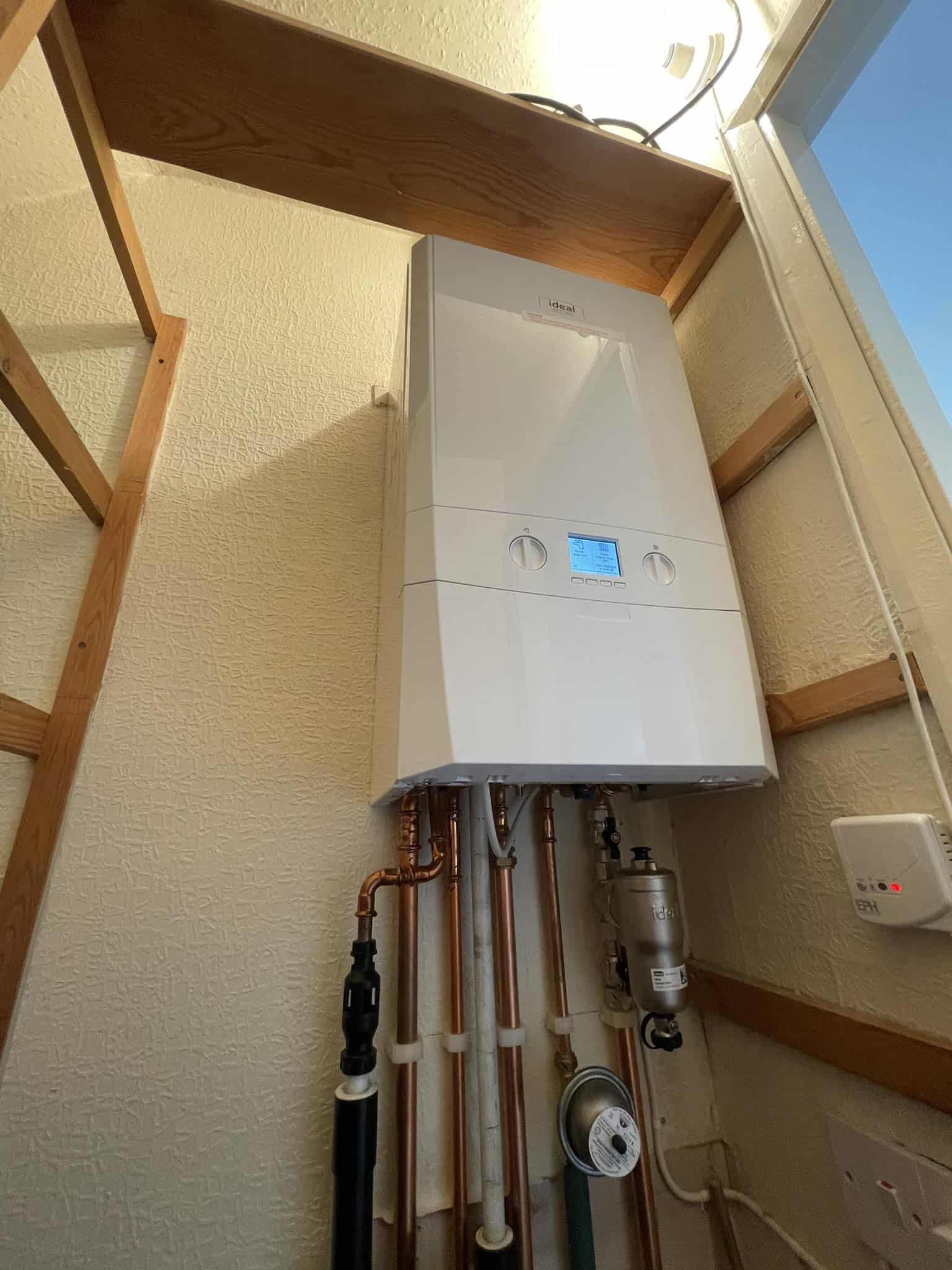
- Combi boiler installation: £2,500 to £3,500
- System boiler installation: £3,000 to £4,000
- Regular (heat-only) boiler installation: £3,000 to £4,500
These figures usually include removal of the old boiler, installation of the new system, testing and commissioning.
Prices vary because no two homes or heating systems are exactly the same. A straightforward like-for-like replacement will always cost less than a full system upgrade.
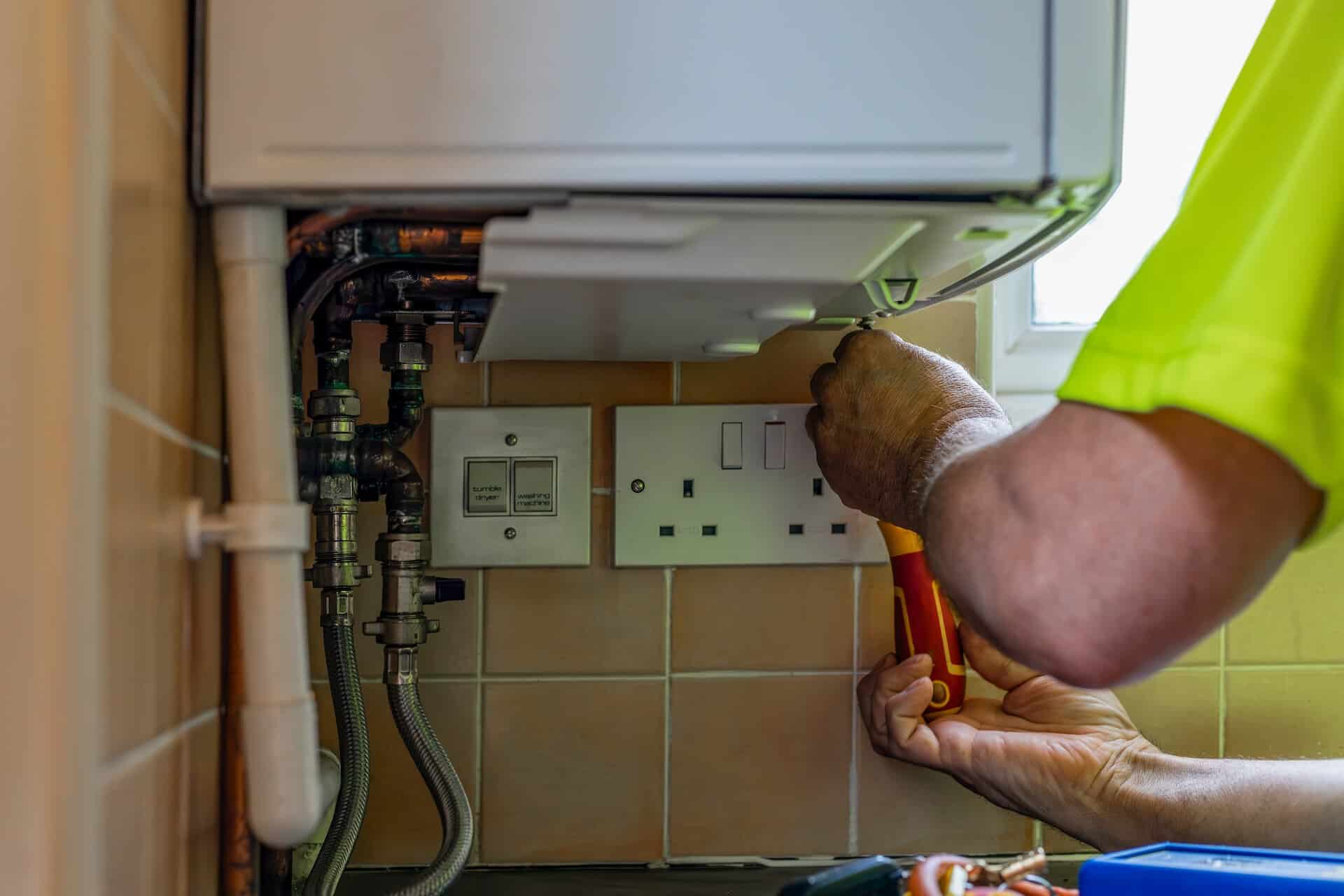
If you’re considering upgrading your heating, our team provides fixed quotes through our new boiler installation service so you know exactly what’s included.
What Affects the Cost of a New Boiler?
Several factors influence the final price of your installation.
Boiler type
Combi boilers are often the most affordable option because they don’t require a separate hot water cylinder or loft tank. System and regular boilers involve additional components, which increases installation time and cost.
Property size and heating demand
Larger homes require higher output boilers to maintain consistent heating and hot water performance. Correct sizing is essential for efficiency and long-term reliability.
Installation complexity
Costs may increase if:
- Pipework needs upgrading
- The boiler location changes
- A system flush is required
- New controls or thermostats are installed
A professional survey ensures these factors are identified upfront.
Combi vs System vs Regular Boiler Costs
Choosing the right boiler is just as important as price.
Combi boilers
Ideal for smaller homes or properties with limited space. They provide hot water instantly and are highly efficient. Learn more about combi boilers.
System boilers
Better suited to larger homes with higher hot water demand, especially where multiple bathrooms are used simultaneously. Learn more about system boilers.
Regular boilers
Often the best option for older properties with traditional heating systems already in place. Learn more about regular boilers.
The best choice depends on your home rather than simply choosing the cheapest option.
Can a New Boiler Reduce Energy Bills?
Yes. Modern boilers are significantly more efficient than older models.
Older boilers can operate at efficiencies below 70%, while modern A-rated boilers exceed 90% efficiency. This means more heat from the same amount of gas, reducing energy waste.
Many homeowners notice lower monthly energy bills, faster heating response, more consistent hot water and improved reliability during winter.
Regular servicing also helps maintain efficiency, which is why annual maintenance is recommended through services like our boiler servicing.
When Is It Better to Replace Instead of Repair?
Repairs are often worthwhile for newer boilers, but replacement becomes more cost-effective when the boiler is over 10 to 12 years old, repairs are becoming frequent, energy bills continue rising, or replacement parts are expensive or difficult to source.
If you’re unsure, our guide on when to replace vs repair your boiler explains the decision in more detail.
How to Get an Accurate Boiler Quote
Online price estimates can provide a rough guide, but an accurate quote requires understanding your home and heating system properly.
At Yorkshire Heating & Renewables, we offer home surveys or photo-based estimates, fixed pricing with no hidden costs, advice tailored to your property and budget, and manufacturer warranties of up to 12 years. This ensures your boiler is correctly sized and installed for long-term performance.
Final Thoughts
A new boiler is an investment in comfort, efficiency and reliability. While upfront costs vary, choosing the right system and installer can save money over time through improved efficiency and fewer repairs.
If you’re considering upgrading your heating system, our local team can help you understand your options and provide a clear, no-obligation quote tailored to your home. Visit our new boiler installation page to get started.
FAQs
How long does a boiler installation take?
Most installations are completed within one day, although system upgrades may take longer depending on complexity.
Do I need to replace my radiators too?
Not always. Existing radiators can often remain if they are compatible and in good condition.
Will a new boiler increase my home’s value?
While not guaranteed, modern heating systems are attractive to buyers and can improve energy efficiency ratings.
How long should a boiler last?
Most modern boilers last between 12 and 15 years when properly serviced annually.