Underfloor heating vs radiators: which is right for your home?
Quick answer: Underfloor heating and radiators can both provide effective, comfortable heating, but the right option depends on your property type, insulation levels and whether you are renovating or upgrading an existing system. Underfloor heating offers even heat distribution and works particularly well in modern or well insulated homes, while radiators remain a practical and cost effective choice for many existing UK properties. The best solution depends on how your home is built and how you want your heating to perform over the long term.
What we cover in this guide
- How underfloor heating and radiators work
- Efficiency and running costs
- Comfort and heat distribution
- Aesthetics and interior design
- Installation and disruption
- Underfloor heating in existing homes
- Compatibility with boilers and heat pumps
- Which option makes sense for your home
When homeowners start thinking about upgrading their heating, the conversation often turns to underfloor heating versus traditional radiators. With rising energy awareness and more renovation projects taking place, many households across East Yorkshire are weighing up whether underfloor heating is worth the investment or if radiators remain the sensible choice.
This guide explains the practical differences between the two systems, how they perform in real homes and what factors you should consider before making a decision.
How underfloor heating and radiators work
Radiators and underfloor heating both use hot water to deliver warmth, but they do so in very different ways.
Radiators heat a room by warming the air around them. Hot water flows through the radiator, heating the metal surface, which then warms the surrounding air. This warm air rises and circulates through the room. Radiators respond quickly and are familiar to most UK households.
Underfloor heating works by spreading heat evenly across the entire floor surface. Warm water flows through pipework beneath the floor, gently heating the room from the ground up. This creates a consistent temperature throughout the space, rather than concentrating heat in one area.
Because underfloor heating distributes heat across a much larger area, it can operate at lower temperatures while still achieving the same level of comfort.
Efficiency and running costs
Efficiency is often one of the main reasons homeowners consider underfloor heating. Because it runs at lower temperatures, underfloor heating can be more energy efficient when installed and designed correctly.
In well insulated homes, underfloor heating may reduce heat loss and maintain comfortable temperatures with less energy input. This is particularly noticeable in open plan spaces where radiators may struggle to distribute heat evenly.
Radiators generally require higher water temperatures, especially in older properties with less insulation. However, modern boilers and well designed radiator systems can still be efficient and economical, particularly where insulation upgrades are limited.
It is important to remember that running costs are influenced by insulation levels, heat source efficiency, heating controls and zoning, and the size and layout of the property. Heating system choice alone does not determine running costs.
Comfort and heat distribution
Comfort is one of the most noticeable differences between underfloor heating and radiators.
Underfloor heating provides an even, gentle warmth across the room. Floors feel warm underfoot and the temperature is consistent from wall to wall. This can improve comfort in living areas, kitchens and bathrooms where people spend a lot of time.
Radiators can create warmer areas close to the unit and cooler zones elsewhere. In smaller rooms this may not be noticeable, but in larger or open plan spaces the difference can be more apparent.
That said, correctly sized and positioned radiators can still deliver excellent comfort in many homes.
Aesthetics and interior design
The visual impact of your heating system is another important consideration, particularly if you are redesigning your living space. Underfloor heating is completely hidden beneath the floor, freeing up wall space and allowing greater flexibility with furniture placement and interior layouts. This can be especially appealing in open plan rooms, kitchens and modern living areas where clean lines and uninterrupted walls are a priority. Radiators, while visible, are available in a wide range of styles and finishes, from traditional designs suited to period properties to modern statement radiators that can complement contemporary interiors. The right choice often comes down to whether you prefer a hidden heating solution or a visible feature that forms part of the room’s design.
Installation and disruption
Installation is often the deciding factor for homeowners.
Radiators are typically quicker and less disruptive to install, especially when replacing an existing system. Pipework is often already in place and the work can usually be completed without lifting floors.
Underfloor heating is easiest to install during new builds, extensions or major renovations where floors are already being replaced. Retrofit systems are available, but they still involve more work than swapping radiators.
Understanding the level of disruption involved is key to deciding whether underfloor heating is practical for your project.
Underfloor heating in existing homes
Underfloor heating can be installed in existing homes, but it requires careful planning. Floor construction, insulation and ceiling heights all affect how well the system will perform.
In many cases, underfloor heating is most cost effective when installed as part of a wider renovation. Low profile systems can reduce floor height changes, making retrofits more achievable.
For a detailed breakdown of suitability, benefits and limitations, see our guide:
Is underfloor heating worth it in existing homes?
Older homes may also benefit from a hybrid approach, using underfloor heating in certain areas and radiators elsewhere.
Compatibility with boilers and heat pumps
Both underfloor heating and radiators can work with modern boilers and renewable heating systems.
Modern boilers can supply both systems effectively when designed correctly. Underfloor heating may require lower flow temperatures, while radiators typically operate at higher temperatures.
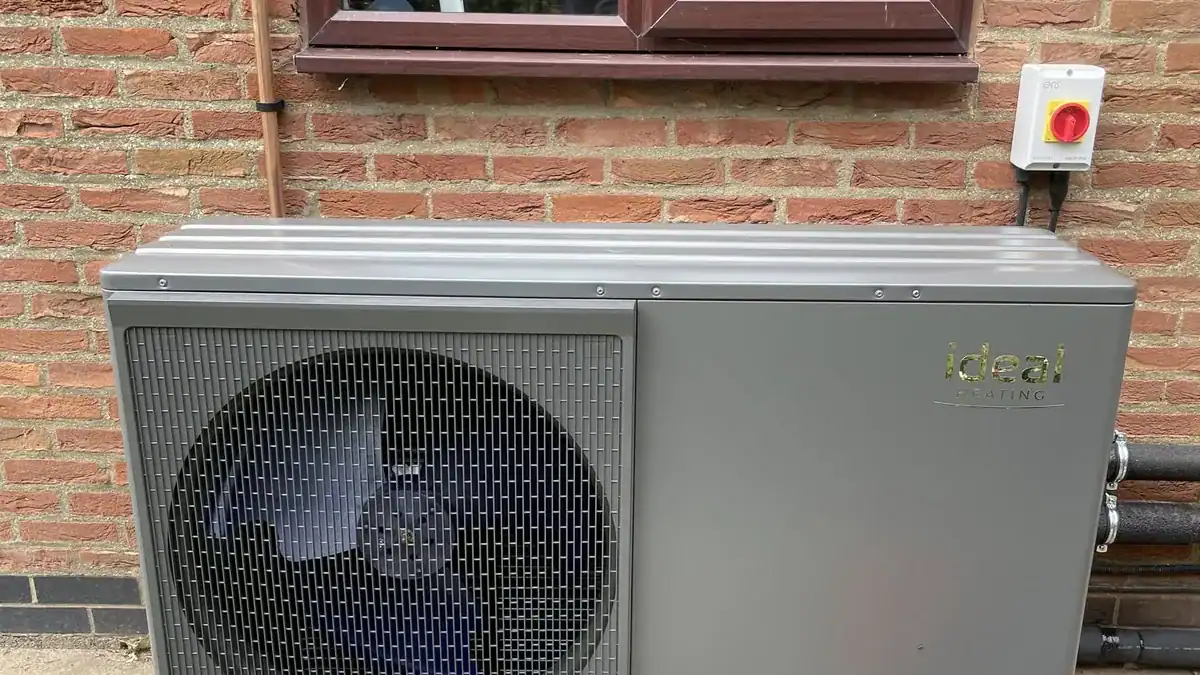
Underfloor heating pairs particularly well with air source heat pumps, which are designed to operate efficiently at lower temperatures. This combination can improve overall system performance in suitable homes.
You can learn more about renewable options on our
air source heat pump installation page.
Radiators can also work with heat pumps, although radiator sizes may need to be increased to maintain comfort.
Which option makes sense for your home?
Underfloor heating may be the right choice if:
- You are renovating or extending
- You want even heat and clear wall space
- Your home is well insulated
- You are considering a heat pump
Radiators may be more suitable if:
- You want minimal disruption
- Your home already has radiator pipework
- You are upgrading an existing boiler
- Insulation improvements are limited
For many properties, a mixed system provides the best balance between comfort, cost and practicality.
Key takeaways
- Both systems can heat homes effectively
- Underfloor heating offers even heat distribution
- Radiators are easier to retrofit
- Insulation levels affect performance significantly
- Professional design is essential
Need tailored heating advice?
Choosing between underfloor heating and radiators should be based on your property, your budget and your long term heating plans, not trends or assumptions.
If you would like expert advice, our experienced engineers can assess your home and help you decide which heating solution is right for you.