Should I get a new boiler or an air source heat pump in 2026?
Quick answer: In 2026, both new boilers and air source heat pumps remain viable ways to heat UK homes. A new boiler is often the better option for older or less insulated properties, while air source heat pumps are best suited to well insulated homes, new builds or larger renovation projects. The right choice depends on your property, your budget and how you plan to use your heating over the long term.
What we cover in this guide
- What’s changed for heating in 2026
- How a new boiler works
- How an air source heat pump works
- Key factors to consider
- Compatibility with underfloor heating
- Which option makes sense in 2026
Choosing how to heat your home can feel overwhelming in 2026. With high efficiency gas boilers still widely installed and air source heat pumps becoming more common, many homeowners across East Yorkshire are unsure which direction to take.
This guide explains the practical differences between boilers and heat pumps, how each performs in real homes and what you should consider before making a decision.
What’s changed for heating in 2026
Heating technology has continued to evolve, but the reality for most households has not changed as dramatically as headlines sometimes suggest. Boilers remain the most common heating system in UK homes, while renewable heating options are becoming more accessible.
- Modern boilers are significantly more efficient than older models.
- Heat pumps are more widely available and better understood than they were a few years ago.
In 2026, the most important factor is no longer which technology is newest, but which system suits your property and how you live.
How a new boiler works
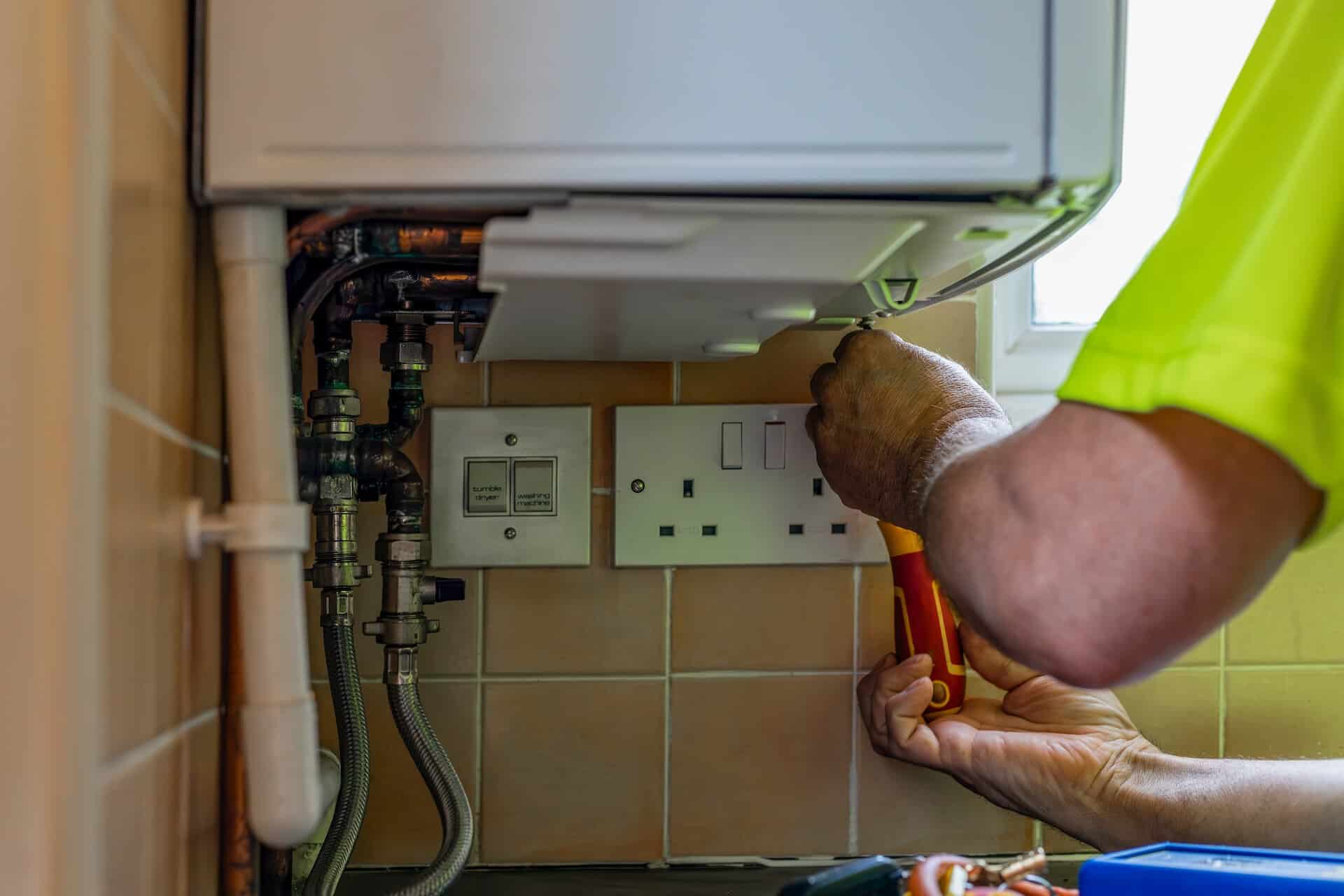
Modern gas boilers provide heating and hot water on demand and are designed to operate efficiently even during colder weather. When installed correctly and maintained with regular boiler servicing, they offer reliable performance for a wide range of homes.
- Lower upfront installation cost compared to heat pumps
- Strong performance in winter temperatures
- Works with existing radiators and pipework
If your current boiler is ageing, unreliable or becoming expensive to repair, a new boiler installation can be a practical and cost effective upgrade.
For many homes across Hull, Beverley, Driffield and Hedon, a modern boiler remains a sensible choice, particularly where insulation levels are not yet optimal.
How an air source heat pump works
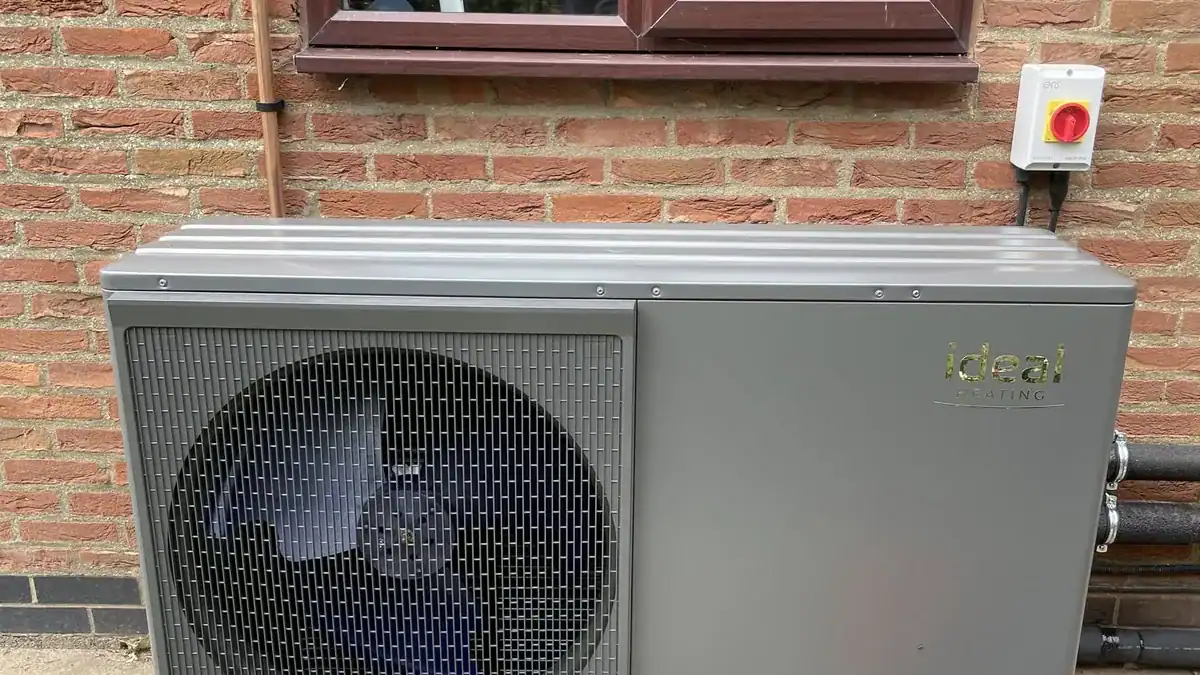
Air source heat pumps extract heat from the outside air and use it to warm your home and hot water. They operate on electricity rather than gas and are designed to run at lower temperatures for longer periods.
- Lower running costs in suitable properties
- Reduced carbon emissions
- Long system lifespan when properly maintained
Heat pumps work best in well insulated homes where heat loss is kept to a minimum. You can learn more about air source heat pump installation and whether your property is suitable.
Key factors to consider
When choosing between a boiler and a heat pump, it is important to look beyond the technology itself and consider how your home is built.
Property insulation and age
Boilers perform well in most property types, including older homes with traditional radiators. Heat pumps are most effective in properties with good insulation, modern windows and minimal heat loss.
Running costs and energy prices
Boilers can still offer predictable running costs, particularly where gas prices remain competitive. Heat pumps may be cheaper to run in homes with favourable electricity tariffs and efficient heat retention.
Installation disruption
Boiler replacements are usually quicker and less disruptive. Heat pump installations may involve additional work such as upgrading radiators or improving insulation.
Compatibility with underfloor heating
Underfloor heating is often associated with heat pumps due to its low temperature operation, which allows the system to run efficiently. However, modern boilers can also be used with underfloor heating when the system is designed correctly.
If you are planning a renovation or extension, our team can advise on underfloor heating installation and the most suitable heat source for your home.
Which option makes sense in 2026
A new boiler may be the right option if:
- Your home is older or harder to insulate
- You want a lower upfront installation cost
- You need reliable heating during cold weather
An air source heat pump may be more suitable if:
- Your home is well insulated
- You are planning a major renovation or new build
- You want to reduce reliance on fossil fuels
In many cases, homeowners benefit from a professional assessment to determine which option is genuinely the best fit.
Key takeaways
- Both boilers and heat pumps remain viable heating options in 2026
- Property type and insulation matter more than trends
- Boilers suit a wider range of existing UK homes
- Heat pumps perform best in efficient properties
- Expert advice helps avoid costly mistakes
Need tailored heating advice?
Choosing between a new boiler and an air source heat pump is not about following headlines, but about finding the right solution for your home and lifestyle.
If you would like personalised advice, our experienced engineers are happy to assess your property and help you make an informed decision.