Is underfloor heating worth it? The pros and cons
Underfloor heating is an increasingly popular option among homeowners in the UK. It’s often described as a more energy-efficient method of heating a home, with additional benefits like the comfort of walking on a warm floor.
But underfloor heating does have a few drawbacks, too. So, is it worthwhile in the end? Read on as we break down the upsides and downsides of this approach to home heating.
Pros of underfloor heating
It’s easy to see why underfloor heating is seen as desirable. It has lots of great aspects, including the fact that it…
- Is energy efficient compared to radiators
- Provides warm floors, which is pleasant
- Heats the middle of the floor, so you won’t spend cold days huddling by radiators
- Frees up space in small homes if radiators are removed
- Allows for more freedom with interior design because there are no radiators on the walls (unless underfloor heating is used in combination with radiators)
- Can give you tighter control of what parts of your home are heated, so you can choose to focus on warming particular areas that you use
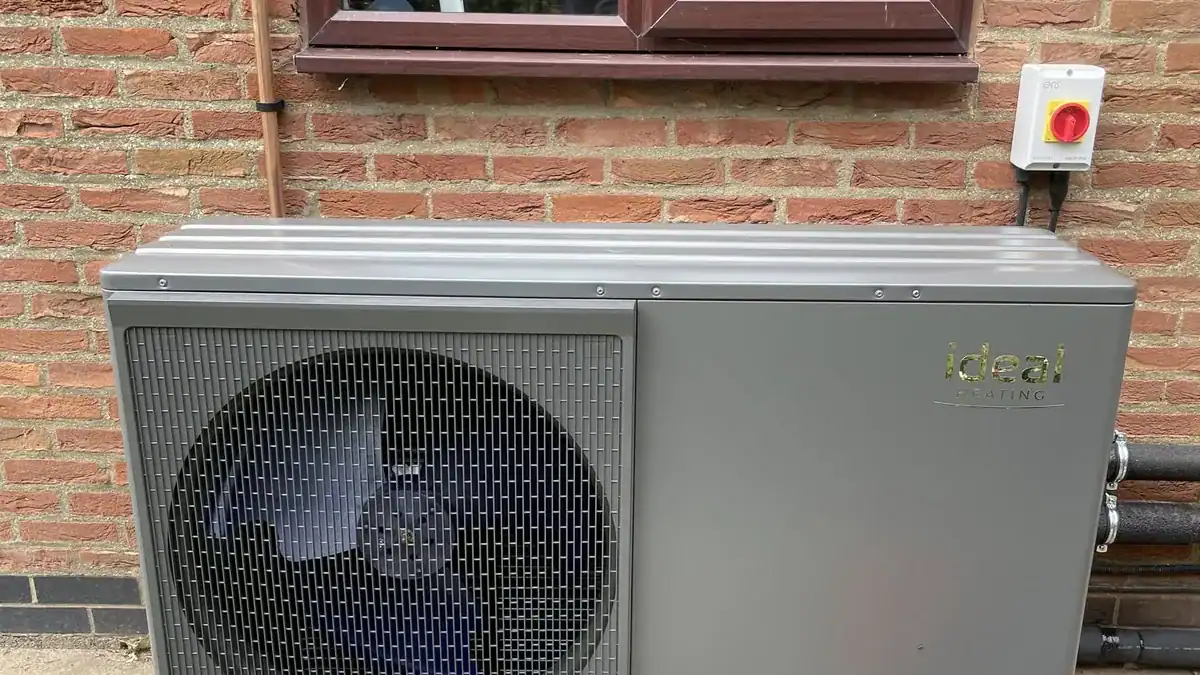
- Works well with eco-friendly energy sources like heat pumps. This is because both heat pumps and underfloor heating work well when homes are heated for a longer time at lower temperatures, rather than in short bursts of higher heat.
Cons of underfloor heating
But there are some challenges to consider, too…
- In a poorly insulated home, other means of heating like radiators may still be required.
- Underfloor heating can take a longer time to warm up – but this issue can be managed by setting thermostats to start warming floors early
- Underfloor heating can affect your use of furniture. You’ll want to ensure your furniture does not trap heat underneath it. So, furniture with legs that air can circulate under is preferred.
- While most flooring options are possible with underfloor heating, some are not advisable. For example, very plush and heavy carpets aren’t ideal.
- Underfloor heating does take a bit of work to install, though electric underfloor heating is usually significantly easier to install than water underfloor heating – we’ll discuss that difference more in a moment.
Pros and cons of electric and water
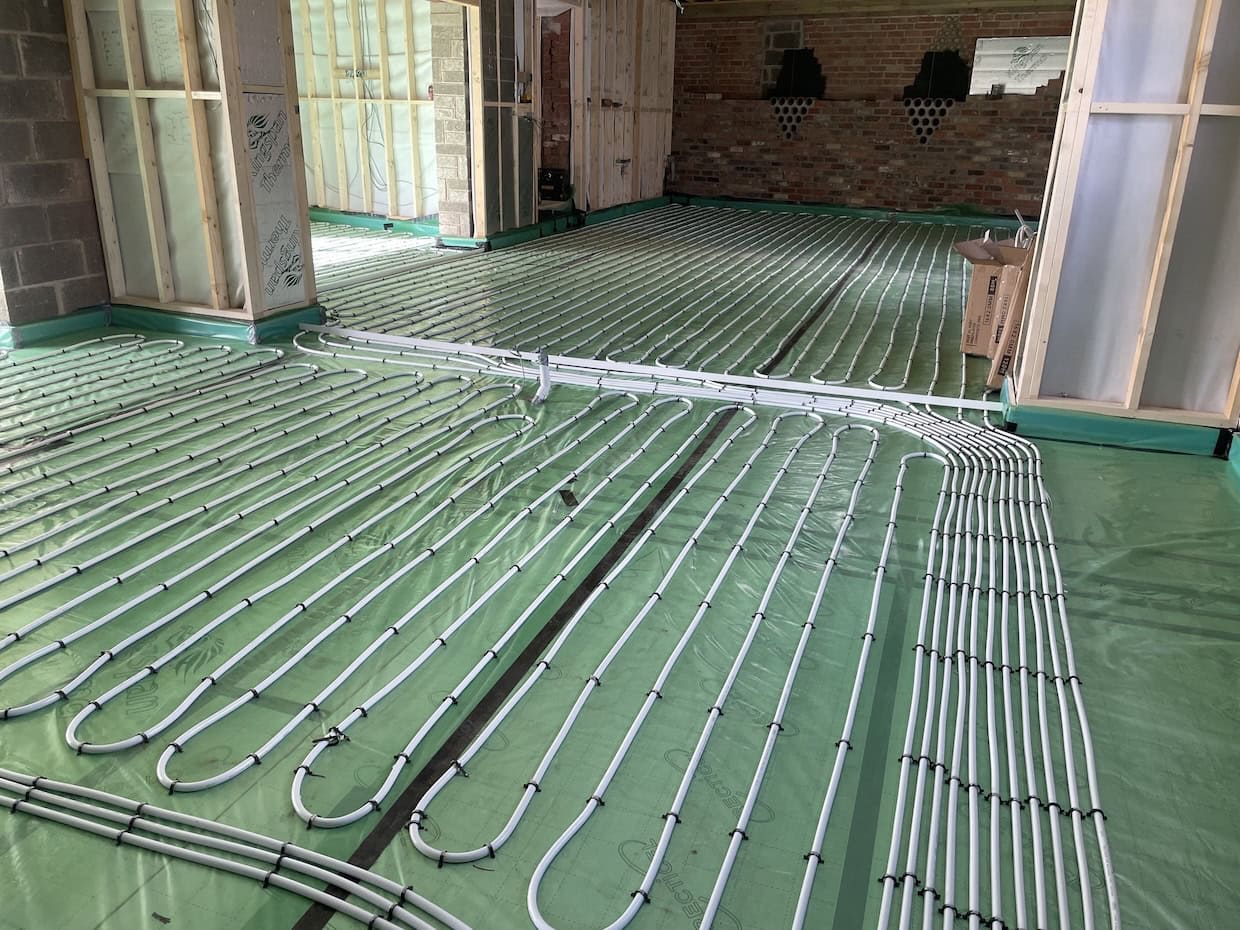
It’s important to understand that there are two main types of underfloor heating. Electric underfloor heating works via wires under your floor, while water underfloor heating uses pipes.
These two options have their own set of pros and cons.
- Electric underfloor heating warms up and cools down more quickly, while water does the opposite. So, if you want a room that gets warm fast, electric is a better choice – but if you want a room that stays warm longer, water is superior.
- Water underfloor heating typically costs more to install than electric, and it may require raising your floors to allow for water pipes to run underneath. However, water underfloor heating is often more affordable in the long run, so many people consider the initial costs to be worth it.
Get underfloor heating that works for you with Yorkshire Heating and Renewables
As you can see, there are plenty of factors to weigh when you’re considering underfloor heating. But experienced engineers like ours at Yorkshire Heating and Renewables can help you judge what will suit your home and show you ways to reduce the downsides of this heating method.
At Yorkshire Heating and Renewables, we’re a trusted underfloor heating installer with more than ten years of experience in East Yorkshire. And we’re here to help you - just request a no-fee, no-obligation quote to get started.