Air source heat pumps vs gas boilers: which is right for your home?
Choosing between an air source heat pump and a traditional gas boiler is one of the biggest heating decisions UK homeowners now face. With rising energy costs, evolving regulations, and increased interest in renewable technology, many households across Hull and East Yorkshire are asking the same question: which system is actually right for their home?
In this guide, we compare Air Source Heat Pumps vs Gas Boilers using real installer insight rather than theory alone. We explain how each system performs in typical UK properties, what affects efficiency, and how to make a confident long-term decision before speaking to an installer.
Quick Answer
Gas boilers remain a practical and cost-effective option for many existing homes, particularly properties with older radiator systems. Air source heat pumps provide excellent efficiency and lower carbon emissions when installed in well-insulated homes designed for low-temperature heating. The best choice depends on insulation levels, property layout, budget, and long-term plans rather than simply choosing newer technology.
What We Cover
- How air source heat pumps and gas boilers work
- Efficiency and running cost comparisons
- Installation requirements and suitability
- Upfront and long-term costs
- Expert Insight: Choosing the Right Heating System for Your Home
- How to decide which system is right for you
How Do Air Source Heat Pumps and Gas Boilers Work?
Gas Boilers
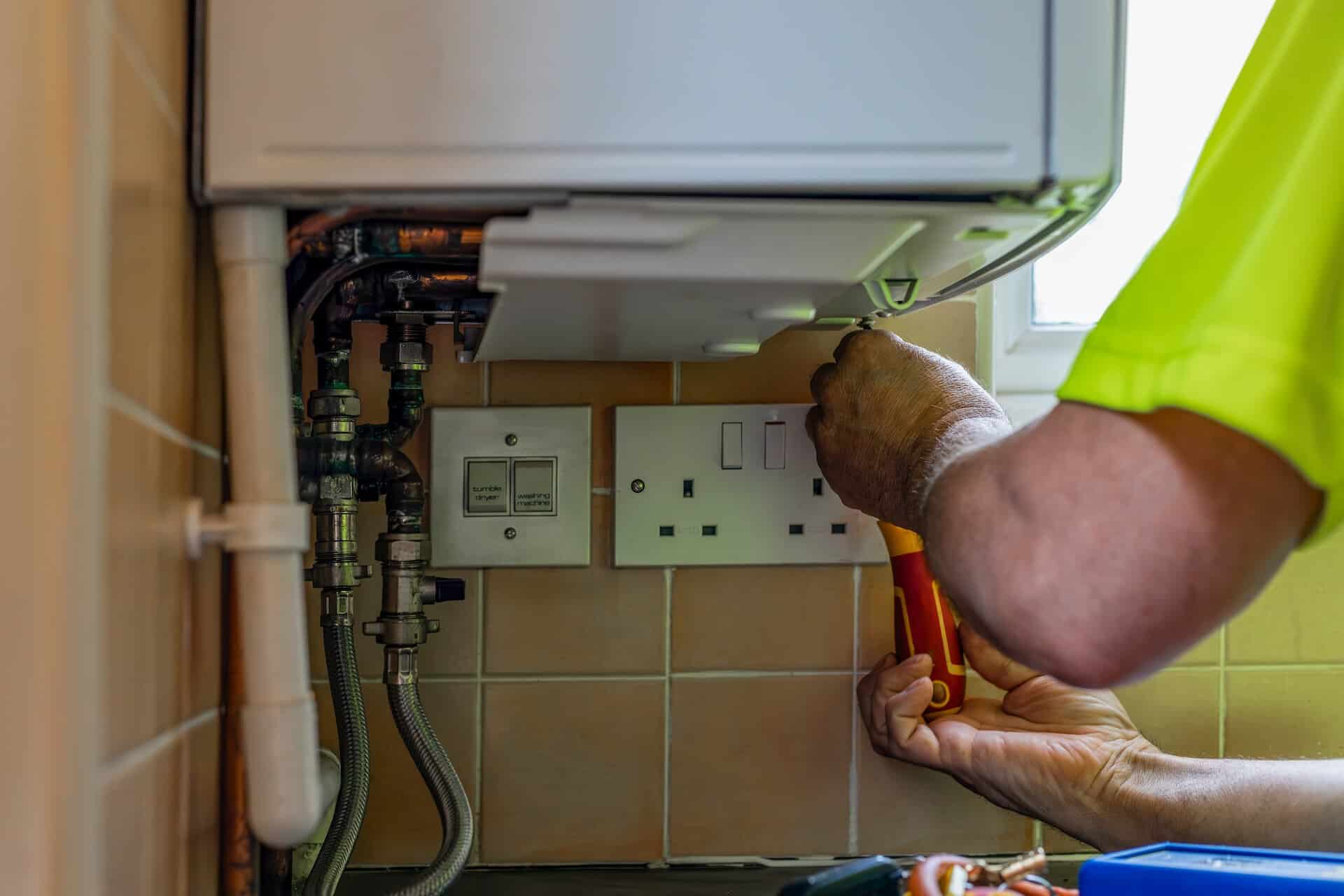
Gas boilers generate heat by burning natural gas and circulating hot water through radiators or underfloor heating systems. Because most homes in Hull already use gas central heating, replacing an older system is usually straightforward with minimal disruption.
Modern condensing boilers are highly efficient and provide fast heat output, making them well suited to older housing stock commonly found across East Yorkshire.
Air Source Heat Pumps
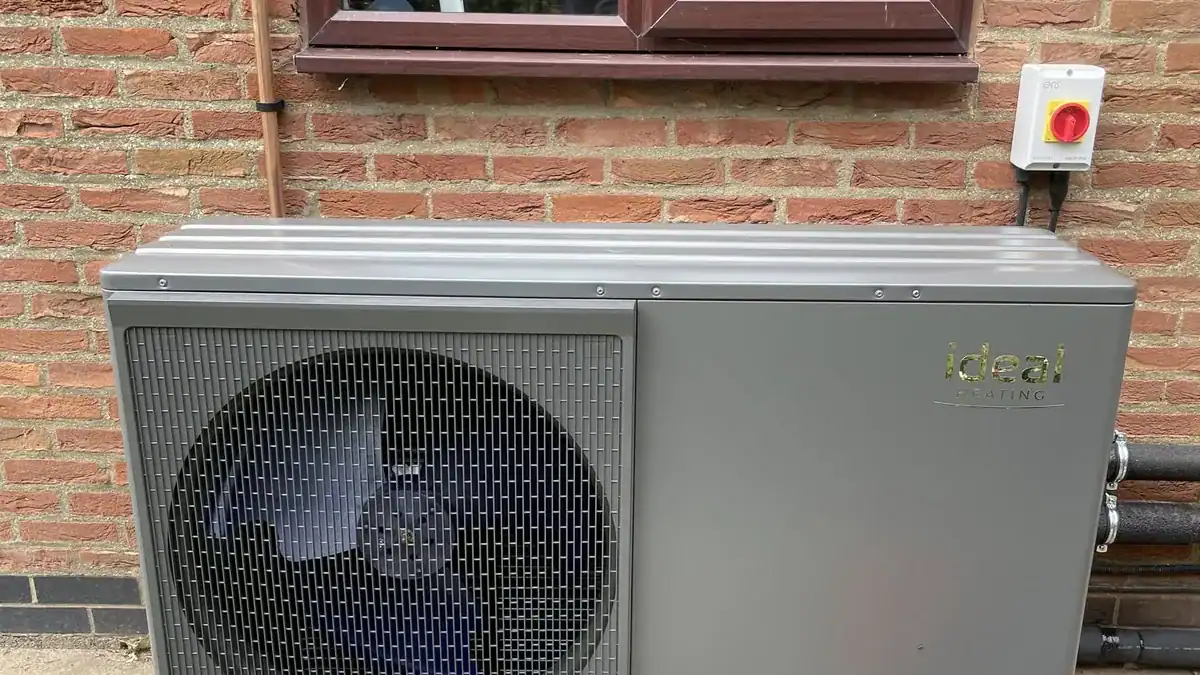
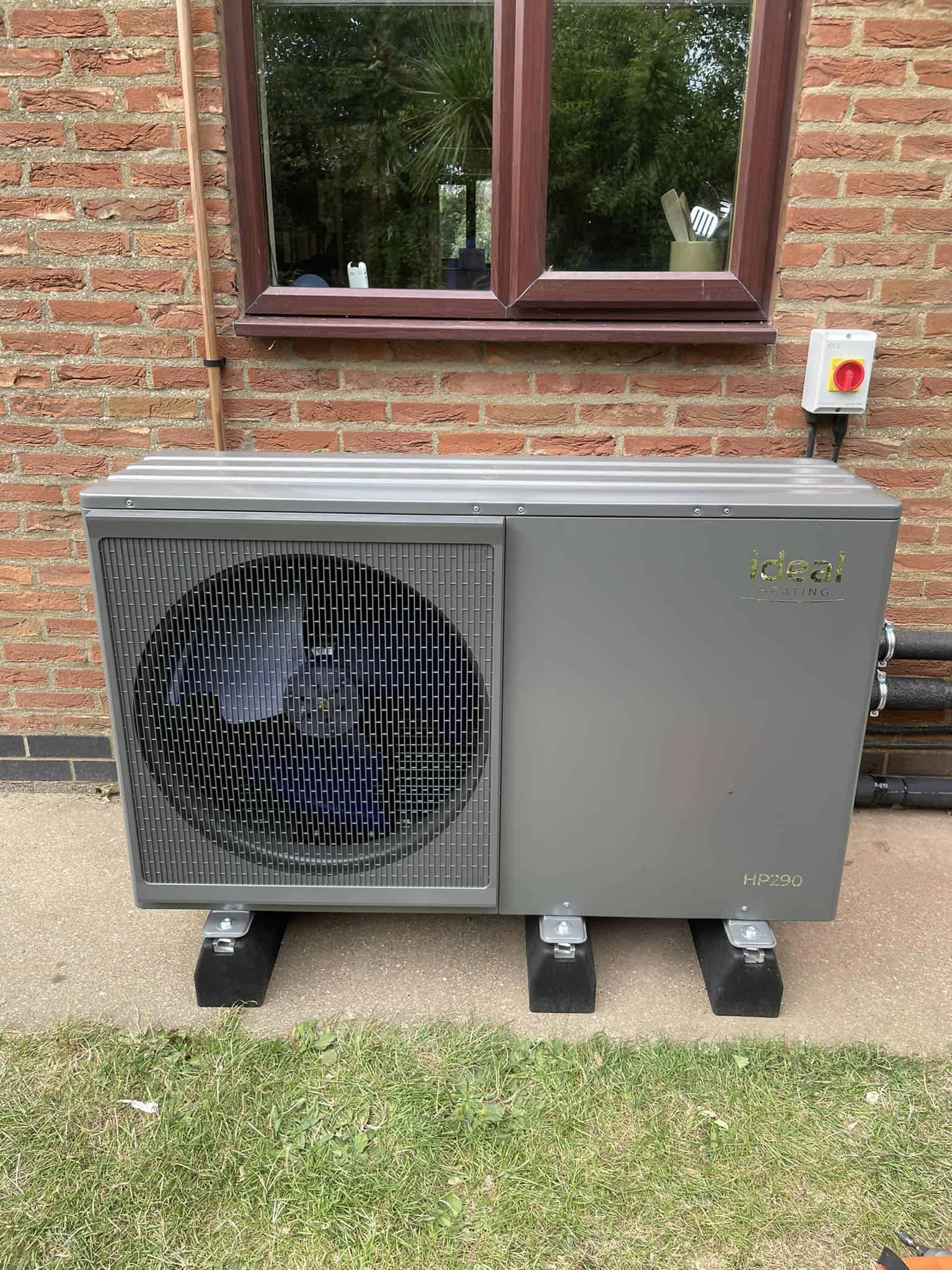
Air source heat pumps extract heat energy from the outside air and transfer it into your home using electricity. Rather than creating heat directly, they move heat energy, which allows them to operate at very high efficiency levels.
They work best with larger radiators or underfloor heating and properties with good insulation standards.
Learn more about how renewable systems are installed locally by visiting the air source heat pump installation service page.
Efficiency and Running Costs
Energy Efficiency Compared
A modern gas boiler typically runs at around 90 percent efficiency. Air source heat pumps can achieve efficiencies of 300 to 400 percent because they transfer heat rather than produce it.
However, real-world efficiency depends heavily on property conditions. Poor insulation or incorrectly sized systems can significantly reduce performance.
Running Costs in UK Homes
Running costs depend on several practical factors installers regularly assess:
- Electricity versus gas tariffs
- Heat loss within the property
- Heating habits and occupancy
- Correct system design and sizing
In upgraded homes, heat pumps can reduce long-term energy bills. In older properties without insulation improvements, a modern boiler replacement may remain the more economical solution.
Installation Requirements and Property Suitability
When a Gas Boiler Is Often the Right Choice
- Older or solid-wall properties
- Limited outdoor space
- Existing radiator systems designed for high temperatures
- Homeowners wanting a quick replacement
Many terraced and semi-detached homes in Hull benefit from upgrading to a modern system through professional new boiler installation services.
When an Air Source Heat Pump Works Best
- Well-insulated homes
- Renovations or extensions
- Properties with underfloor heating
- Homeowners planning long-term efficiency improvements
Heat pumps are becoming increasingly popular across East Yorkshire as homeowners look to future-proof their heating systems.
Upfront Costs and Long-Term Investment
Installation Costs
Gas boilers usually involve lower upfront costs due to simpler installation. Heat pumps require more detailed system design and may involve radiator upgrades or hot water cylinder installation.
Government incentives can help offset installation costs, making renewable heating more accessible for suitable homes.
Maintenance and Lifespan
- Gas boilers typically last 10 to 15 years.
- Air source heat pumps often last 15 to 20 years.
- Both systems require annual servicing.
Regular servicing helps maintain efficiency and reliability. Ongoing support can be arranged through local boiler servicing specialists.
Expert Insight: Choosing the Right Heating System for Your Home
From an installer’s perspective, the biggest mistake homeowners make is choosing technology before assessing their property properly.
Across projects in Hull and surrounding East Yorkshire towns, system success almost always depends on preparation. A heat pump installed in a poorly insulated property may struggle to maintain comfortable temperatures, while a correctly designed system delivers consistent, efficient heating.
Equally, many homeowners replace boilers without considering future renovations that could make renewable heating viable later.
A professional assessment normally includes:
- Heat loss calculations
- Radiator sizing checks
- Insulation assessment
- Hot water demand analysis
- Outdoor unit positioning
The most reliable results come from designing heating systems around the property rather than forcing a single solution.
How to Decide: A Simple Homeowner Framework
Choose a Gas Boiler If:
- You want a lower upfront investment
- Your home has limited insulation upgrades planned
- You need a straightforward replacement
- Your current heating setup works well
Choose an Air Source Heat Pump If:
- You plan to stay in your home long term
- You want to reduce carbon emissions
- Your home is well insulated or being upgraded
- You are renovating or extending
Many homeowners across East Yorkshire now take a staged approach, improving insulation first before transitioning to renewable heating in future upgrades.
Conclusion: Air Source Heat Pumps vs Gas Boilers
When comparing Air Source Heat Pumps vs Gas Boilers, there is no universal winner. The right solution depends on your property type, energy goals, and long-term plans.
Gas boilers continue to provide reliable and cost-effective heating for many existing homes, while air source heat pumps offer an efficient, lower-carbon alternative for properties prepared for low-temperature heating.
If you live in Hull or anywhere across East Yorkshire and would like honest, practical advice tailored to your home, speak with the team at Yorkshire Heating & Renewables for expert guidance or a no-obligation quotation.
Frequently Asked Questions
Are air source heat pumps cheaper to run than gas boilers?
They can be cheaper in well-insulated homes designed for low-temperature heating. In poorly insulated properties, costs may be similar or slightly higher.
Do heat pumps work in cold UK winters?
Yes. Modern air source heat pumps are designed to operate efficiently in UK winter temperatures when correctly installed.
Can I replace my boiler directly with a heat pump?
Sometimes, but many homes require radiator upgrades or insulation improvements to achieve good performance.
How long does installation take?
A boiler replacement typically takes one to two days, while heat pump installations usually take several days depending on system upgrades.
Which heating system is more future-proof?
Renewable heating systems are increasingly aligned with future energy standards, though suitability always depends on the individual property.